Rachel Freierman: Cultivating The Relationships Between Child, Curriculum, & the Living World

by ????

It comes as no surprise that throughout high school, college, and now in adult leagues, Rachel is the goalie. A triple goalie- soccer, hockey, and lacrosse- Rachel embodies all of the metaphorical qualities of the position in their life and work. The goalie is part of the team and yet fundamentally alone. Their experience of the game is different: long stretches of watchfulness punctuated by moments of intense demand. This mirrors roles where presence, readiness, and inner steadiness matter more than constant action (though Rachel is often also in constant action!)
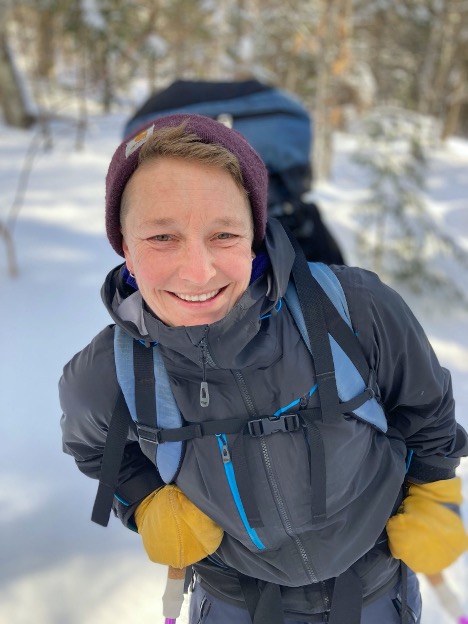
Rachel Freierman
Rachel Freierman 

Rachel’s path into Waldorf education did not begin in a forest or on a mountaintop, but in the city. Growing up in Cambridge, Massachusetts, they were raised in an urban environment where meaningful contact with nature came through family trips and intentional outings beyond city limits. It was through these experiences that a quiet realization took root: care for the Earth is inseparable from access to it. This understanding would later become a guiding thread in their work as an educator.

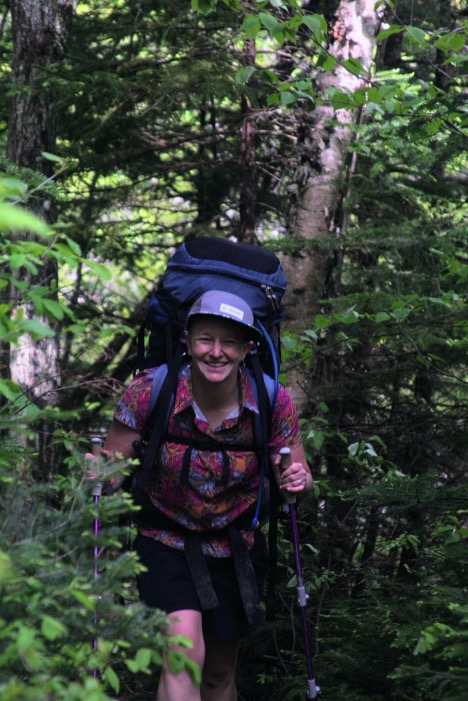
Rachel studied environmental science at Colby College, where their academic interests were paired with a love of movement and teamwork as a member of the soccer team. After graduating, they deepened their relationship with outdoor education through work with the Appalachian Mountain Club, coordinating youth education programs as well as health & wellness initiatives. These early professional years affirmed their conviction that learning in and from nature could be both rigorous and deeply formative.

Rachel’s journey eventually led to classroom teaching, where they began bringing outdoor-based science lessons into local schools. In 2021, Rachel joined Northeast Woodland Chartered Public School, a public Waldorf-inspired school, where they found a setting that allowed them to integrate environmental education, child development, and artistic practice into a coherent whole.
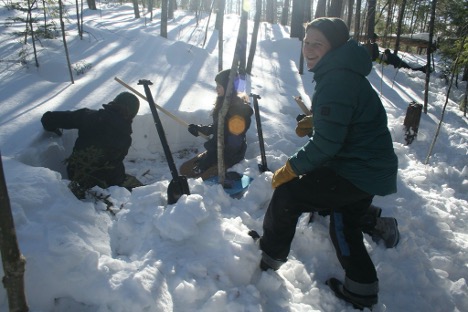
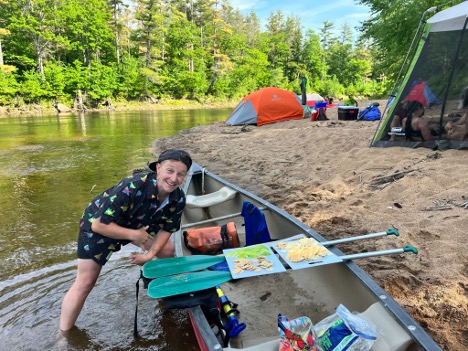
That same year, Rachel became part of the Building Bridges Teacher Education program at Center for Anthroposophy. The program enabled educators to pursue teacher education while already active in the classroom. Although there was some initial hesitation about the demands of the program, Rachel found particular value in the two-week immersion at High Mowing, where the pedagogical foundations of Waldorf education came alive through shared study, artistic work, and collegial exchange. That experience strengthened their resolve to remain engaged in a school culture that was actively being shaped—rather than inherited fully formed.

Rachel’s work in a Waldorf public charter school requires navigating the real and sometimes delicate balance between remaining faithful to Waldorf pedagogical principles and meeting the diverse needs of a contemporary public-school population. Their students arrive with many motivations: some are drawn to Waldorf education itself, others to the school’s strong outdoor program, and still others are seeking an alternative to conventional public schooling. Rachel speaks candidly about the challenge—and the opportunity—of this diversity. Remaining responsive to the developmental needs of the children while holding the deeper intentions of anthroposophical education requires ongoing discernment, flexibility, and courage. These three words describe Rachel perfectly!

In their outdoor classroom, learning is rooted in lived experience. Rachel weaves art, movement, and nature journaling throughout the curriculum. Second graders create color wheels as a way of entering into the unfolding colors of the New England landscape; paintings and drawings become a means of recalling and integrating experiences after long hikes. Students work with wild clay, practice song and speech, whittle wood, and even inoculate mushrooms—activities that foster both practical skill and reverence for natural processes.

Alongside their teaching, Rachel serves on the school’s board and participates in several committees, including Equity, Diversity & Inclusion (EDI) and a community wellness initiative. These roles reflect their commitment to the health of the whole school organism and their belief that education is sustained not only in classrooms, but through thoughtful governance and community care.

Rachel completed their master’s thesis in August 2025, focusing on outdoor and environmental education within the Waldorf school context. Their thesis is titled, Outdoor & Environmental Education in the Waldorf School.  The work brings together lived experience as an educator with careful research and curricular imagination, offering a meaningful contribution to ongoing conversations about how Waldorf education can meet the ecological and social realities of our time.

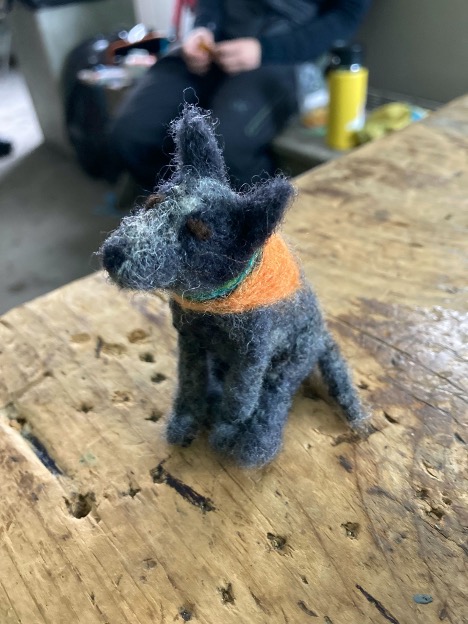
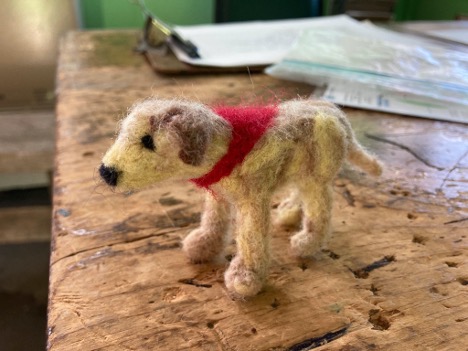
Outside of school, Rachel continues to nurture their relationship with the natural world through hiking, artistic practice, and time spent outdoors, including serving as a ski patroller at Wildcat Ski Mountain—activities that replenish the well from which their teaching flows. Rachel continues to make art, including some of the most adorable, felted critters you have ever seen!

Rachel’s work stands as a living example of how Waldorf education can take root in new soil, adapting thoughtfully without losing its essence. Through their dedication to environmental education, artistic practice, and community life, they help both children and adults remember that learning is, at its heart, a relationship with the living world.

Spring/Summer 2022

Sign up to receive our Center & Periphery Newsletter!

This field is for validation purposes and should be left unchanged.
Name

By submitting this form, you are consenting to receive information from: Center for Anthroposophy, PO Box 15, McMinnville, TN 37111 . To revoke your consent, simply click on the SafeUnsubscribe SafeUnsubscribe® link.Emails are serviced by Constant Contact.

You’ll receive the newsletter via e-mail.