

By Nathan Wilcox
Based on a presentation for Starlight Rays
Betty Staley loved to tell high school teachers in training about a long ago tenth grader in a History of Poetry seminar asking her teacher to cite examples of great living poets.
“Sadly, there are no great living poets living today,” the teacher declared, before returning to his lesson on Chaucer.
The inquiring student made no response but arrived the following day with a newspaper in tow. Then, the very moment the teacher resumed his surely sage examination of old, dead, white male poets, the student took up her newspaper, unfurled it with a crack and shielded herself entirely from the lesson.
“What on earth are you doing?” the teacher demanded, thunderstruck.
“You told us yesterday that there are no great living poets,” the student replied matter of factly from behind her still raised paper. “I’m glad you told us. Now I know your class has no importance to me whatsoever. Therefore, I’m catching up on today’s news.”
Betty’s eyes always lit up when she recalled that scene.
“Wasn’t that young lady bold?” she’d ask teachers-in-training, myself included. “Do you remember feeling similarly unmet in some long ago classroom? Who do you think is at fault in the story? What should happen next?”
Betty Staley died a year ago. An author of over 15 books on everything from biography work to Russian literature and a teacher for well over half a century, her ideas and her heart lie at the center of our very best current work in the Waldorf Movement.
Like many of you, I love retelling Betty’s pedagogical stories, just as I love rereading her books. But I think we need to do more than remember her to truly honor her legacy. Indeed, I believe she’d call upon us to remember and reconsider her ideas in the light of our modern moment.
So, let’s do that! Let’s take a look at the classic models Betty employed twenty years ago to teach the developmental stages of adolescence to aspiring Waldorf high school teachers, and let’s weigh those models’ ongoing accuracy as we seek to support the students of today.
9th Grade
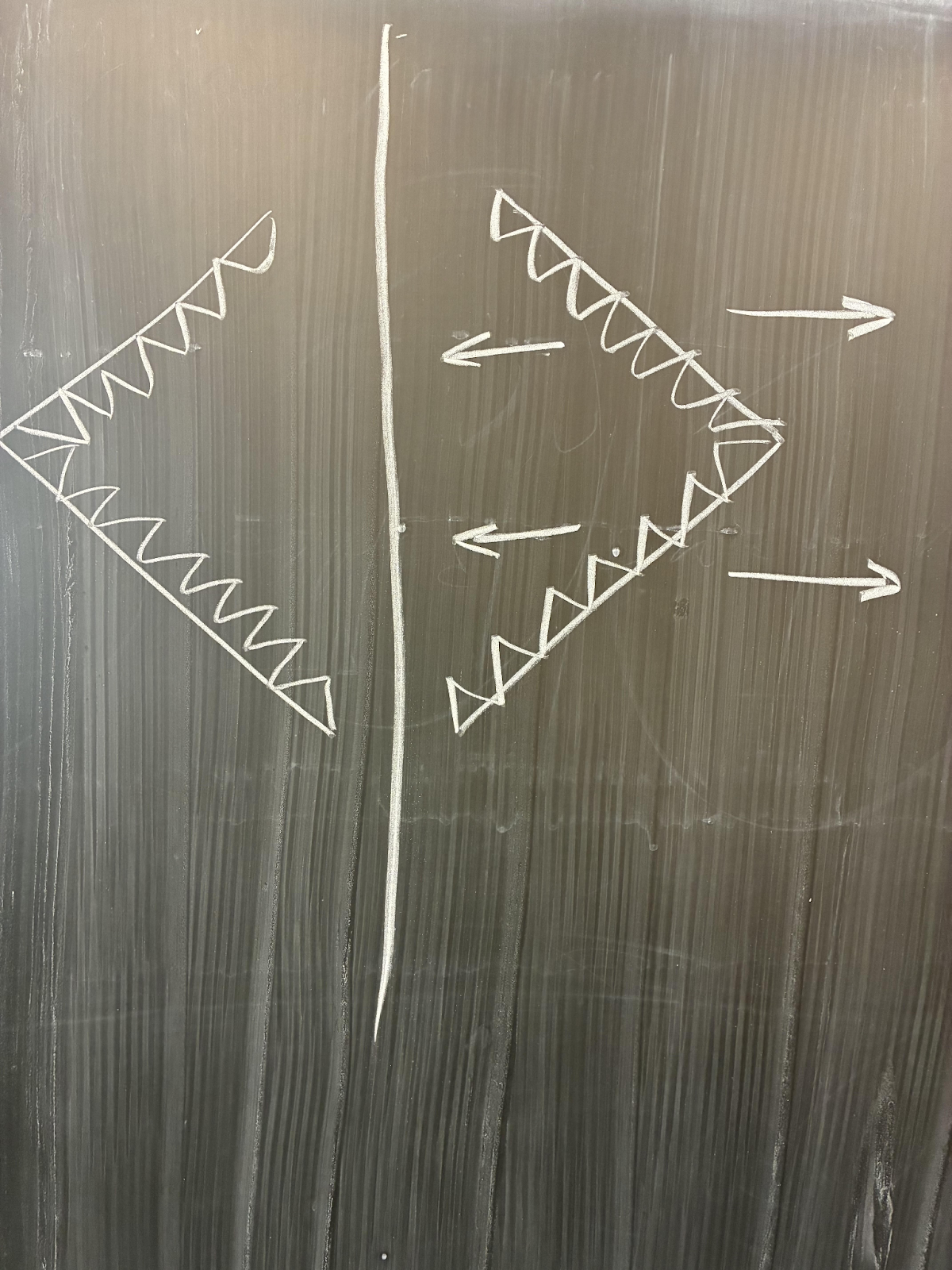
When it came to describing fifteen year olds, Betty began by drawing a big sideways V on the board about to gobble up a tiny pinprick of chalk, thus:
Image #1 here: Betty’s first version of the ninth grader.
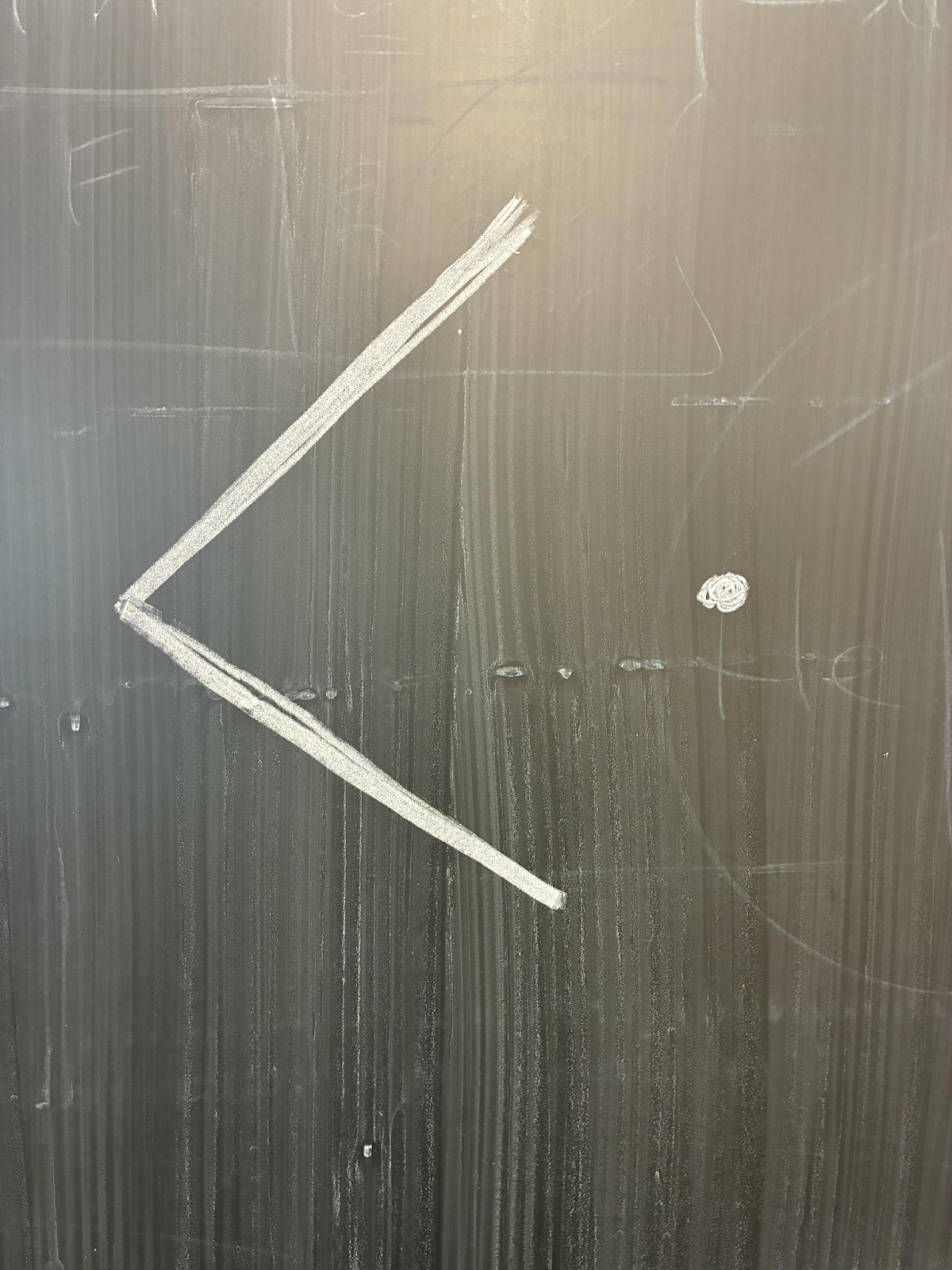
The pinprick was the new high school student, Betty explained. Those students were unaware of their own physical, emotional and intellectual self, and they were fixated entirely upon the V shaped world enveloping them.
Such ninth graders, whose blossoming astral bodies drive their new and intense feeling lives, and whose ego bodies are still years away from their self-directing births, long to become someone else. Specifically, they long to become just like a personally chosen hero, or role model, that they have chosen either from a media source or from the actual world outside their family home.
“They are exactly who I want to be,” Betty described the ninth grader wishing. “I’ll be a success when I can be just like them.”
Betty wrapped up her description of the ninth grade age by adding a final touch to the immense V shaped world that stood before impressionable youth: fangs.
Image 2: Betty’s second version of the ninth grader with fangs added.
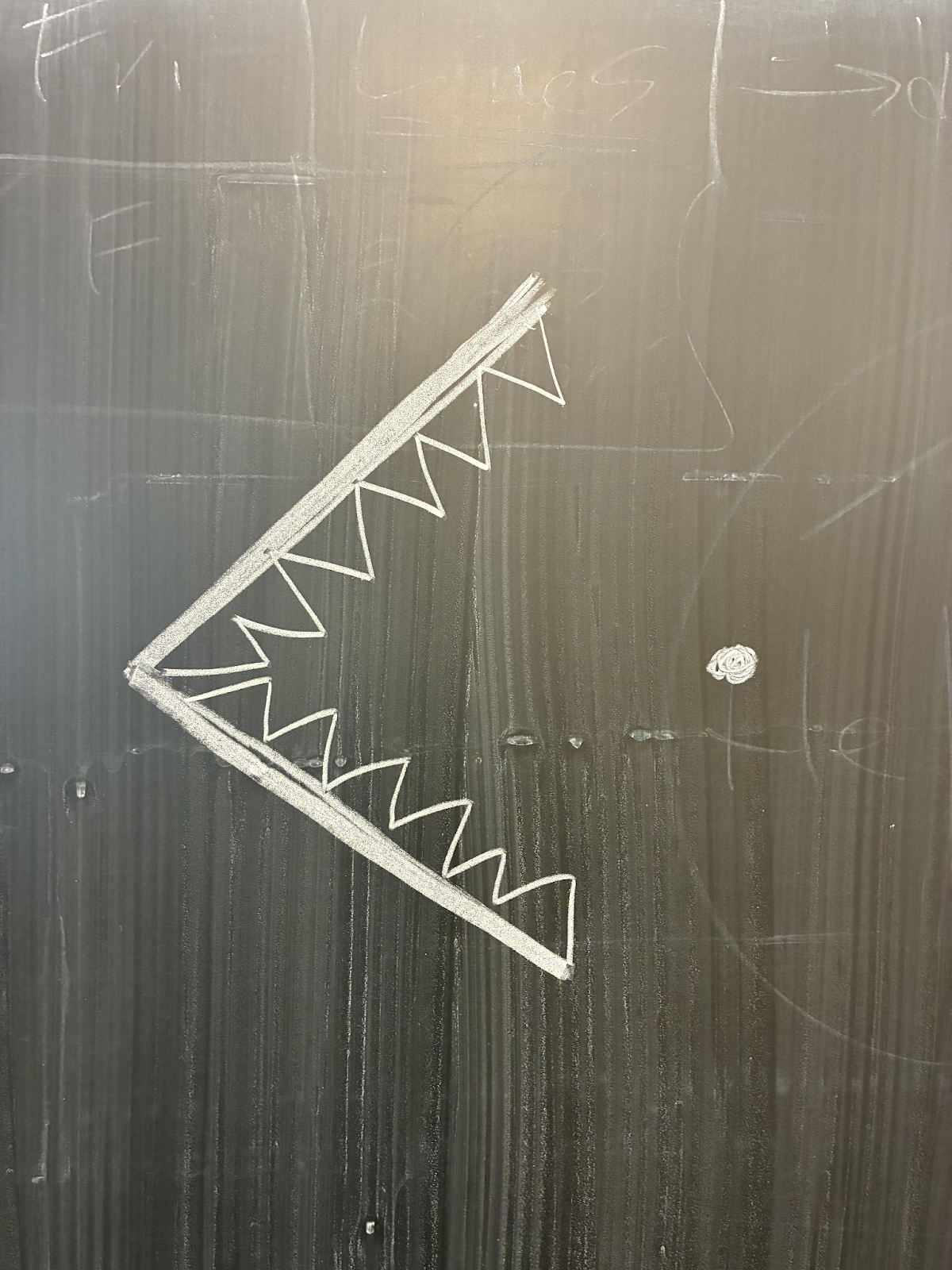
Not every role model out there had teens’ best interests in mind, Betty would remind us. Indeed, new teens often select individuals with impossible attributes: Adele’s voice, Hercules’ muscles, Jeff Bezos’ bank account. Pursuing such attributes, Betty told us, often leads teens to feel anxious and incapable, gobbled up by the world’s troubling fangs.
And so Betty would task us with providing the students with alternative, realistic and wonderful role models, both within the curriculum and within our own mood and gesture.
Every fall a new group of wide eyed ninth graders enters my own classroom with just such priorities on their mind. This one wants to be just like a bodybuilder they’ve seen; that one wants to be just like the older student they spy hand in hand with a handsome romantic partner and wearing just the right top. Betty Staley’s ninth graders are still very much with us.
But there’s more than just threatening fangs on the outer world in 2026. Research indicates that today’s 15 year olds spend an average of 5-7 hours a day on their phones. Imagine that: spending 5-7 hours a day soaking up distorted, two dimensional images of the human rather than aspiring towards the attributes of actual people.
And so I’d suggest an update to Betty’s ninth grade model: a “fun” house mirror of distorted glass lies between today’s ninth graders and the role models they hope to emulate.
Image #3: My updated version of ninth grade with blood and a funhouse mirror
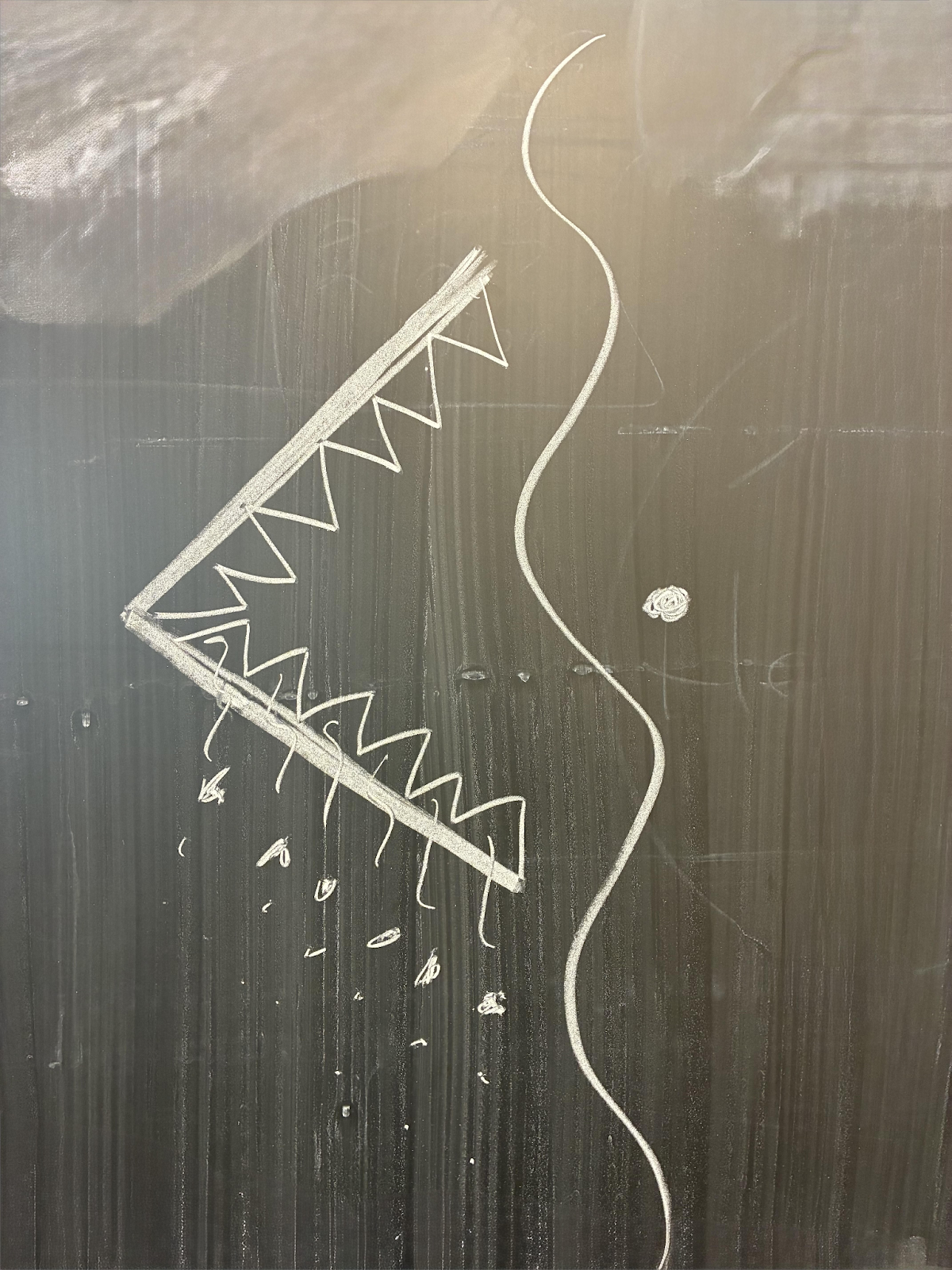
What’s more, cell phone misuse adds blood to the world’s fangs. Pornography, caustic memes, AI content posing as real life, bombastic podcasts: the list of challenges today’s ninth graders face from within the two-dimensional, pocket-sized world that they carry in their pocket goes on and on, making our own work as teachers more vital than ever.
10th Grade
Betty’s defiant young woman behind her newspaper was a tenth grader. No longer a mere speck of ninth grade self-awareness, she had taken note of her own developing limbs, her strengthening voice and her own powerful feelings and was ready to show that hapless poetry teacher that she’d grown some teeth of her own to bare in opposition to the threatening world. Here’s Betty’s drawing of the 16 year old, with the blossoming teenager standing in fierce opposition to the world:
Image #4: Betty’s 10th grader
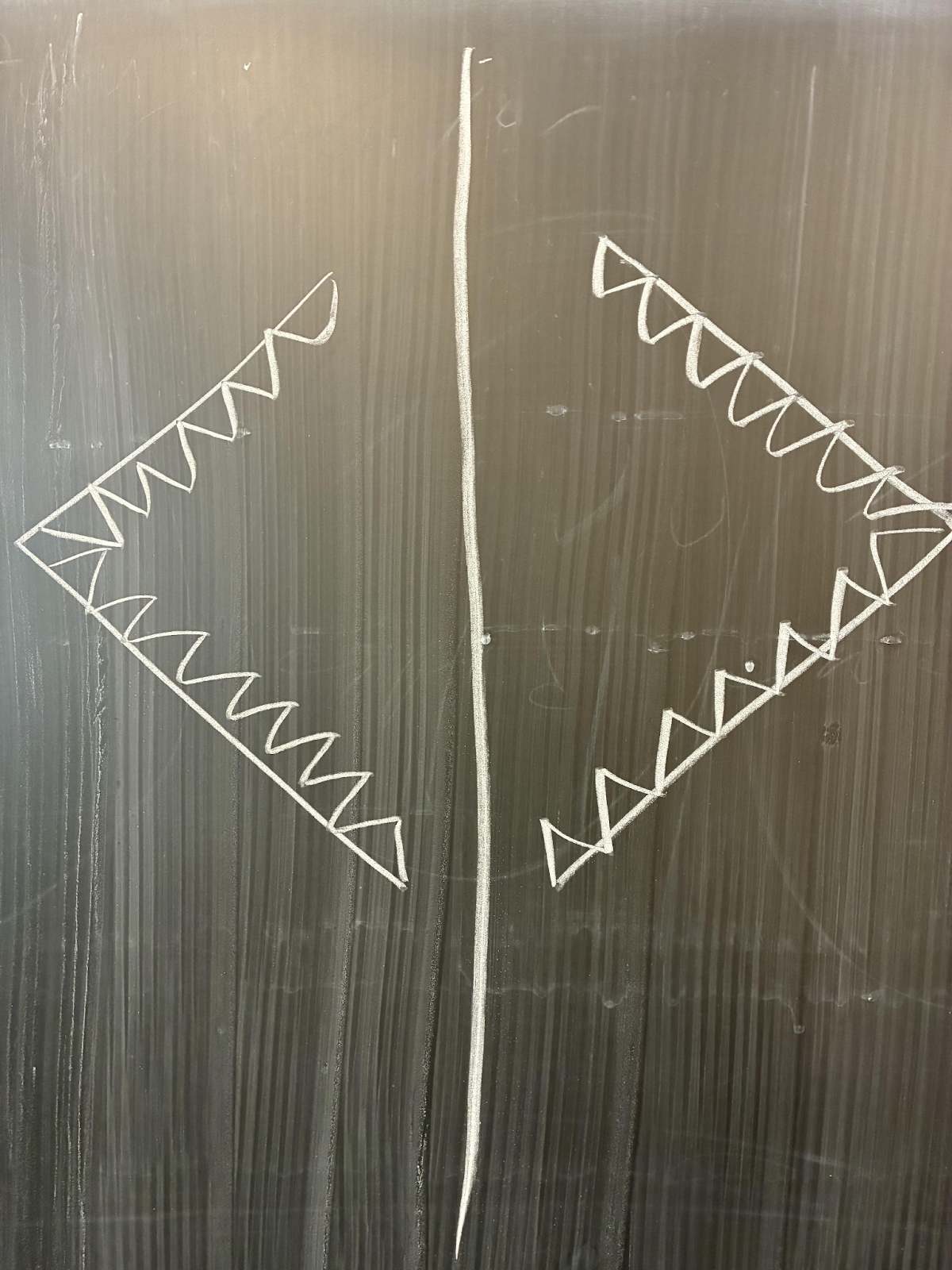
Betty talked a lot about how hard it is to be this age, to believe that there is a solid, unbreakable wall between yourself and the other. In his lectures about adolescence, Steiner describes “the little sprinklings of pain” all 16 year olds experience. Betty described such tenth graders as hooded up, hair in their eyes, head down and despondent while those “sprinklings” pound down.
But Betty was always quick to remind us that such “sprinklings” were productive; teens unknowingly use the sixteen year old change as a homeopathic preparation for the positive connections that lie in their future. She reminded us to share our deepest kindness and calmness with the tenth graders in our care, to put away our own threatening teeth and establish reassuring open doors in the wall between ourselves and the child.
I see that Betty’s archetype still rings true in my own current tenth graders. One of them is brilliant and kind, with wonderful potential. But he lashes out and gives up whenever things get tough. Often, he’ll burst into tears.
Indeed, I note that many of today’s tenth graders are busy facing the isolating despondency Betty described while simultaneously still suffering from the earlier developmental challenges. Let’s remember that today’s teens came through critical phases of their childhood in troubling isolation, masked up and waiting for Covid to pass. Instead of building a house, or sukkot, with their peers as a joyful third grader, they were stuck inside their actual houses, viewing the world largely through computer screens. Covid was hard on all of us. But we must remember it was hardest on children.
And so many of today’s tenth graders still desperately seek good role models because they never found them; they’re still occasionally stuck in the fight and flight tendencies of early childhood and so they either attack the world or run from it. I’ve therefore added restless, anxious arrows to Betty’s model.
Image #5 My tenth grader with added fight or flight anxiety arrows
Steiner’s little sprinklings of pain hit all the harder when one has been far too alone for far too long. And so, the kindness and patience we offer such students is more vital than ever.
11th Grade
Betty would always sigh with contentment when turning to her description of the 11th grader: once the 16 year old’s isolating astral storms pass, 17 year olds are ready to climb out of their own experience of Dante’s Inferno and encounter the world with new hope and warmth. Betty saw Parzival’s grail as the very best image for this age. The teen and the world could now cross over and join together as one, leading to moments when their cup was filled up with reassurance and connection.
Image #6 Betty’s 11th grade chalice

Betty encouraged the teachers in her care to follow in the footsteps of Parzival’s long-lost older brother Feirefiz by creating space and lending encouragement to 17-year-olds as they sought out such moments of positive engagement.
One of my own current 11th graders deeply embodies Betty’s model. After a ninth-grade year spent copycatting manga characters found on their phone and a tenth-grade year spent hooded and isolated, my 11th grader suddenly has a boyfriend and a bright smile. He’s stopped fighting or running from the truth whenever consequences loom. He’s engaging positively with the world.
Even so, it’s 2026, and that means new challenges for today’s 11th graders. That student I describe above is transgender; he was sex-assigned-female at birth. Yes, on the one hand, he is beginning to fill his chalice with honesty, courage and engagement. But on the other hand he’s still code-switching back and forth between school and home every day: he is proudly “he” on our campus, but still uses “she” in their home life. He’s not yet ready to ask the full world to see and accept his true self.
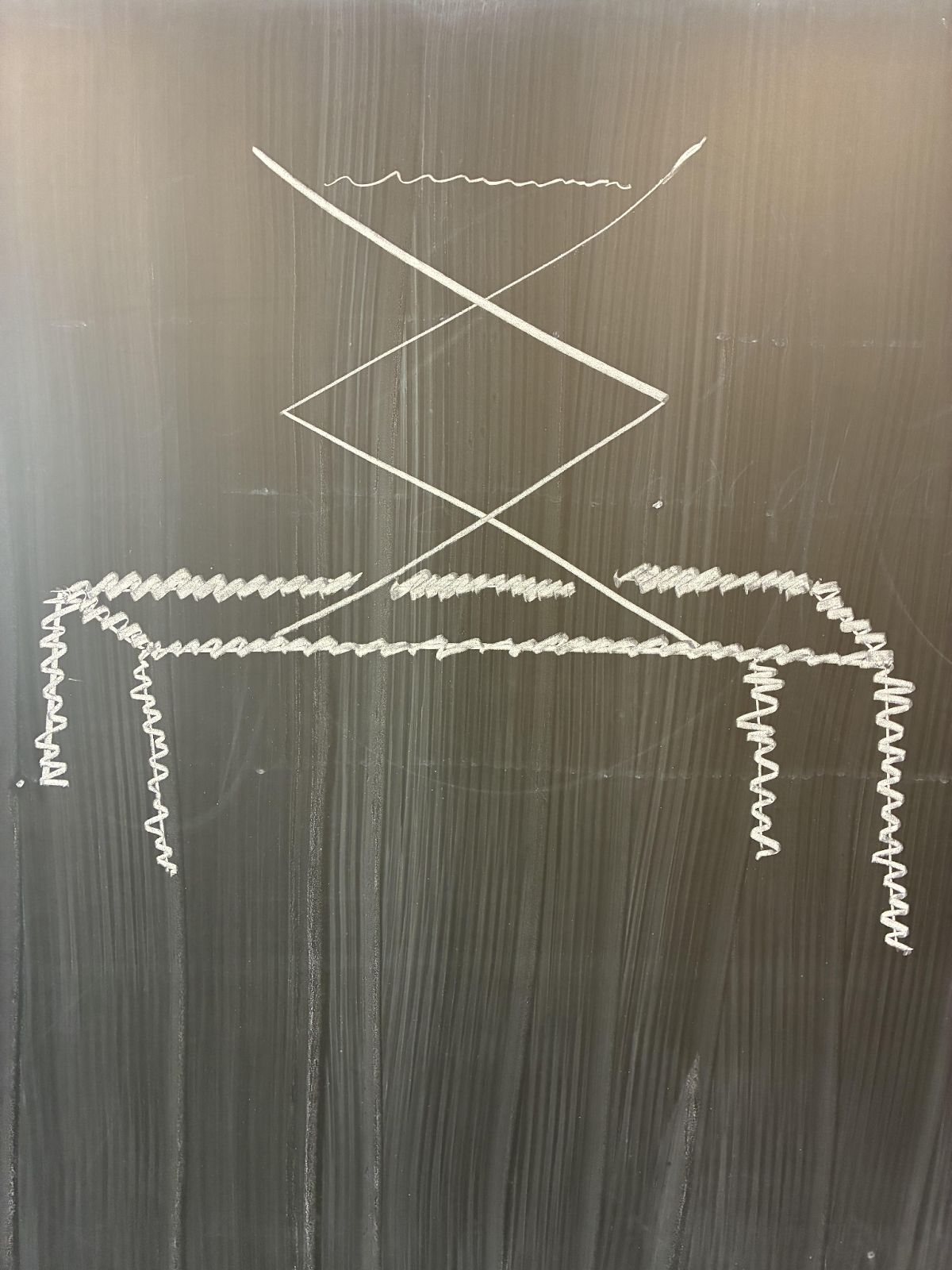
I don’t blame my student for exhibiting such reticence. Attacks and intolerance are so dramatically on the rise for trans people, immigrants, people of color and so many other underprivileged people and groups. We are asking our young people to place their chalices upon an increasingly unsteady table.
Image #7 My update of 11th grade, placing the chalice of courage on an unsteady table
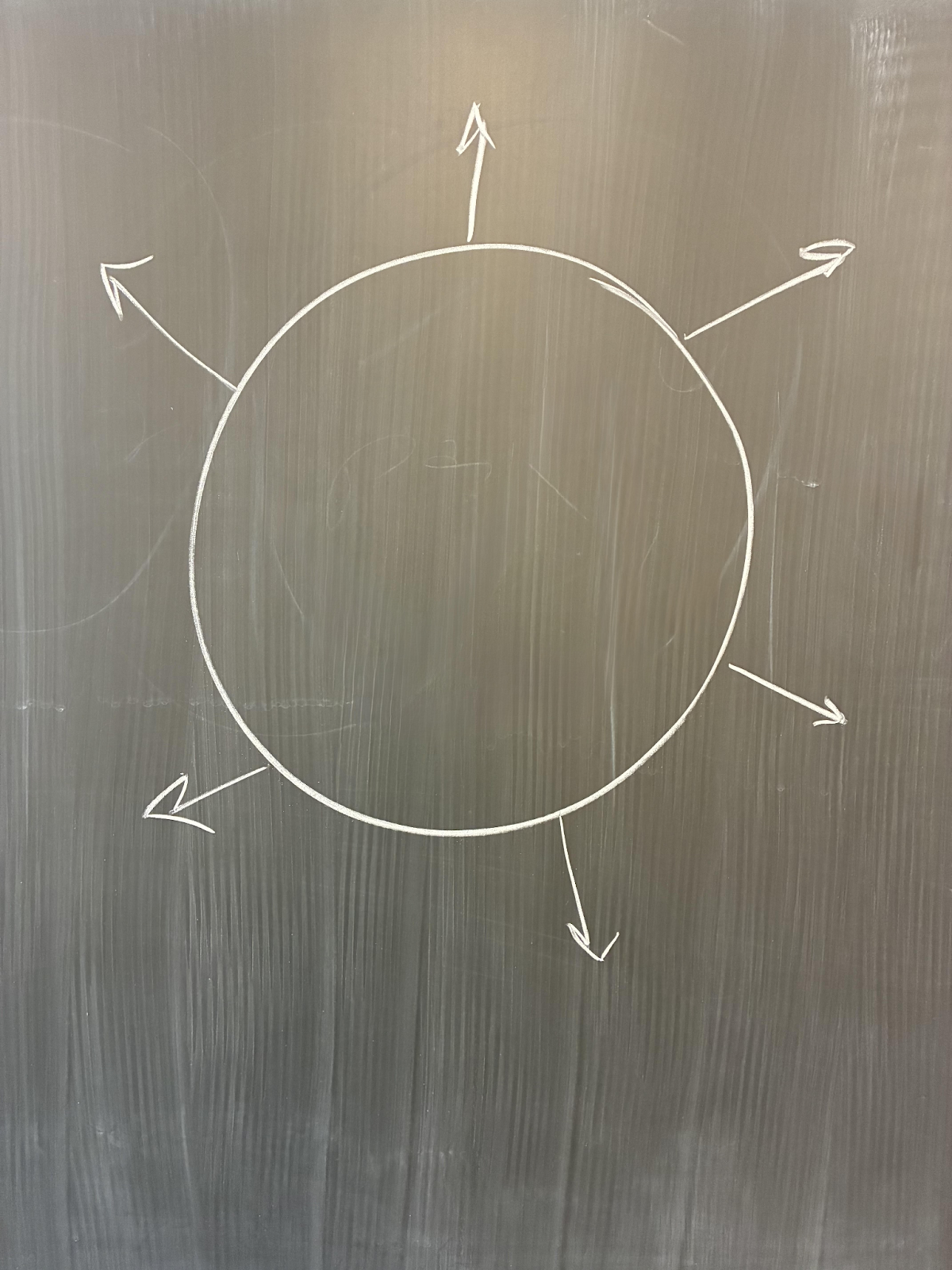
Betty described the 18-year-old on the cusp of adulthood as a circle. Seniors, she told us, are finally well rounded with balance and self-awareness. They yearn outward with freedom, eager to embrace productive roles and relationships with the world. The birth of their individual ego force is still a few years away, but they are beginning to feel that presence growing within them and they feel peace with the changes and opportunities ahead.
Image #8: Betty’s 12th grader
I see Betty’s deeply reassuring 12th Grade model alive and well amongst my own current seniors. They are comfortable on stage and happy to prove themselves when tested. Long gone are their days spent impersonating idols and the long hours deep within their hoods. Furthermore, their focus is focused outward and upon the horizon, beyond their childhood peers and high school teachers. They are eager to carry their chalices to new, personally selected, academic and social spaces.
But I sense another quality at work in today’s 18-year-olds. One of my wonderful seniors this year fits the positive description above in every way. But her focus often strays from a healthy, outward focus. Often I find her brooding. Her sufferings, her concerns, the injustices she’s faced: such grievances, rooted in the past, keep drawing her away from a forward-looking engagement and concern for the world. Egotism is rearing its ugly head.
I don’t blame my student: like so many people in every generation, she faced moments of family and personal trauma while growing up, and those experiences surely are holding her back.
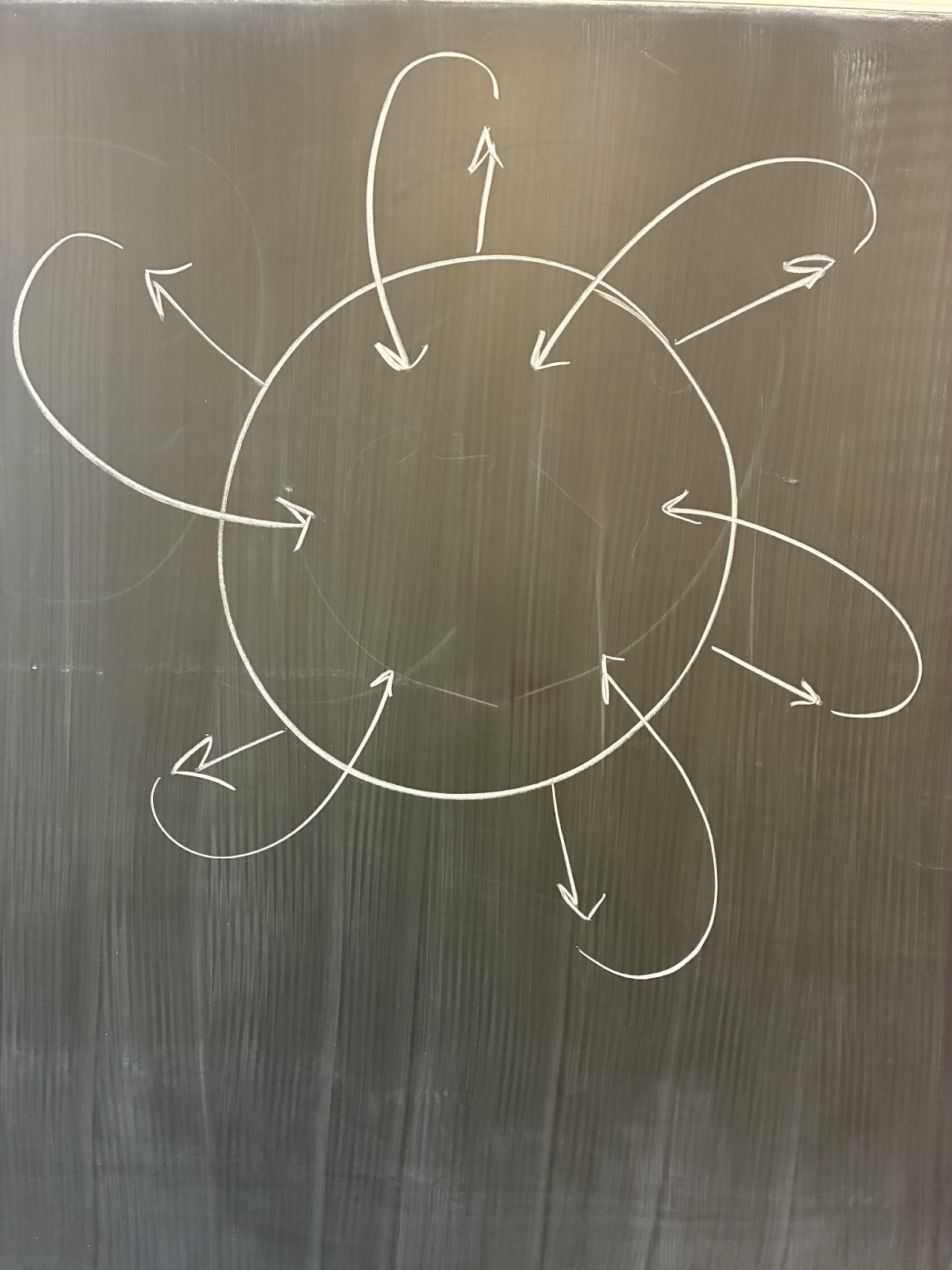
But she also grew up in our current era of increasing political and cultural tribalism. How can our seniors look optimistically out into the world and into the eyes of others when so many of us struggle to do so ourselves? Sadly, we need to update Betty’s final adolescent model with inward-facing arrows.
Image #9: My update to 12th grade with egotistical arrows reverting the 18-year-old inward to selfishness
While considering these updates to Betty’s ideas I struggled to keep my spirits up. I missed her, and I worried about the conclusions I was coming to. My students today are just as wonderful and full of potential as the students I faced twenty years ago, when Betty’s models were fresh in my mind. But my students are also more cynical, more self-oriented and more anxious with each passing year. And that’s stressful to realize.
Happily, I can still hear Betty’s voice in my mind, and I hope you can too. I imagine her reaching out to us with a chuckle and a nod. Sure, she’d tell us, today’s teenagers do indeed face new and troubling realities.
But teenagers are amazing. They brazenly hoist newspapers in class, practicing defiance in the face of dusty authority. And during the high school journey they transform from children into capable young adults, yearning to make a difference in the world – and capable of making one!
And Waldorf educators are amazing too. We dedicate our lives to our students. We get paid next to nothing to do some of the world’s most vital work.
And so, Betty would tell us, there’s no reason to panic, and certainly no reason to give up. Rather, let’s all take a deep breath. And then let’s dive back into the wonderful work that lies ahead.